
The Very Busy Spider Web Craft for Kids – Inspired by Eric Carle’s Classic Book
We just adore storytime crafts—especially when they combine creativity, imagination, and learning. One of our favorite book crafts to do during the fall season or anytime we’re exploring bugs and nature is inspired by The Very Busy Spiderby Eric Carle.
This spider web craft is simple, hands-on, and perfect for helping kids of all ages explore the world of spider webswhile developing their fine motor skills. Whether you’re a mom looking for an afternoon activity at home, or a teacherplanning a classroom literacy lesson, this easy spider craft will keep little ones engaged and learning as they build their very own paper plate spider web!
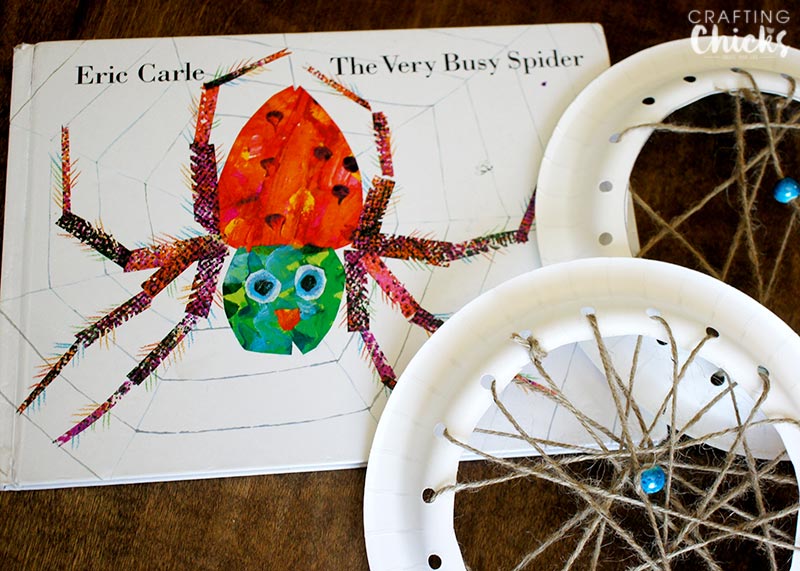
The Very Busy Spider by Eric Carle
If you haven’t read The Very Busy Spider by Eric Carle, it’s such a charming story for young children. The book tells the tale of a spider who works hard spinning her web despite the distractions from friendly farm animals. The illustrations are bright, textured, and full of different colors—true to Eric Carle’s distinctive style.
Every one of my kids has loved The Very Busy Spider, and it’s one I’ve never bored of reading.
It’s a wonderful story to pair with hands-on crafts because it shows persistence, creativity, and the beauty of nature. This book craft is a perfect way to extend the story and help kids visualize how spider webs are designed and built.
A Fun and Educational Spider Web Craft
This spider web craft encourages fine motor development through threading, weaving, and tying—activities that strengthen hand-eye coordination and help little hands prepare for writing.
Kids will get to use scissors, yarn, and school glue, and even explore different colors and materials to make their own paper spider web. Plus, they’ll love creating their own little spider craft to sit right on top!
It’s a great activity for the classroom, homeschool, or a fun craft station during a Halloween or bug-themed party.
Every one of my kids has loved The Very Busy Spider, and it’s one I’ve never bored of reading.
The story is about a little spider that spends her day working away, spinning a web. Throughout the day her animal friends come along and invite her to stop working and play with them. But instead of ditching out, she keeps spinning away. She finishes the web at the end of the day and her hard work pays off when she catches a fly in her web.
Very Busy Spider Web Supplies:
This post contains affiliate links.
Here’s what you’ll need to make your paper plate spider web:
- One paper plate per child
- Hole puncher
- Yarn, twine, or string in different colors (white, black, orange, or sparkly silver look amazing!)
- Scissors
- Glue or school glue stick
- Beads for the spider
- Optional: ribbons, or feathers for decorating the web or turning it into a dream catcher.
- Pencils.
Most of these materials can be found at any craft or grocery store

Instructions – How to Make a Paper Plate Spider Web
Let’s walk through the steps for this fun and easy spider craft.
Step 1: Prepare the Paper Plate
Start by giving each child a paper plate. Using a pencil, draw small marks around the edge of the plate to show where you’ll punch the holes.
Next, cut a circle out of the paper plate, use your hole puncher to punch holes around the rim of the plate. Try to space them evenly—about one inch apart. These holes will form the foundation for your spider web design.
This step is great practice for fine motor development—especially for younger children who are learning to grip and control tools.

Step 2: Create the Web
Now the fun part begins! Cut a long piece of yarn or twine (around 3 feet long) and tie one end through a punched hole.
Help tie a piece of twine on and then let your kids lace the twine in and out of the holes to create their own web.
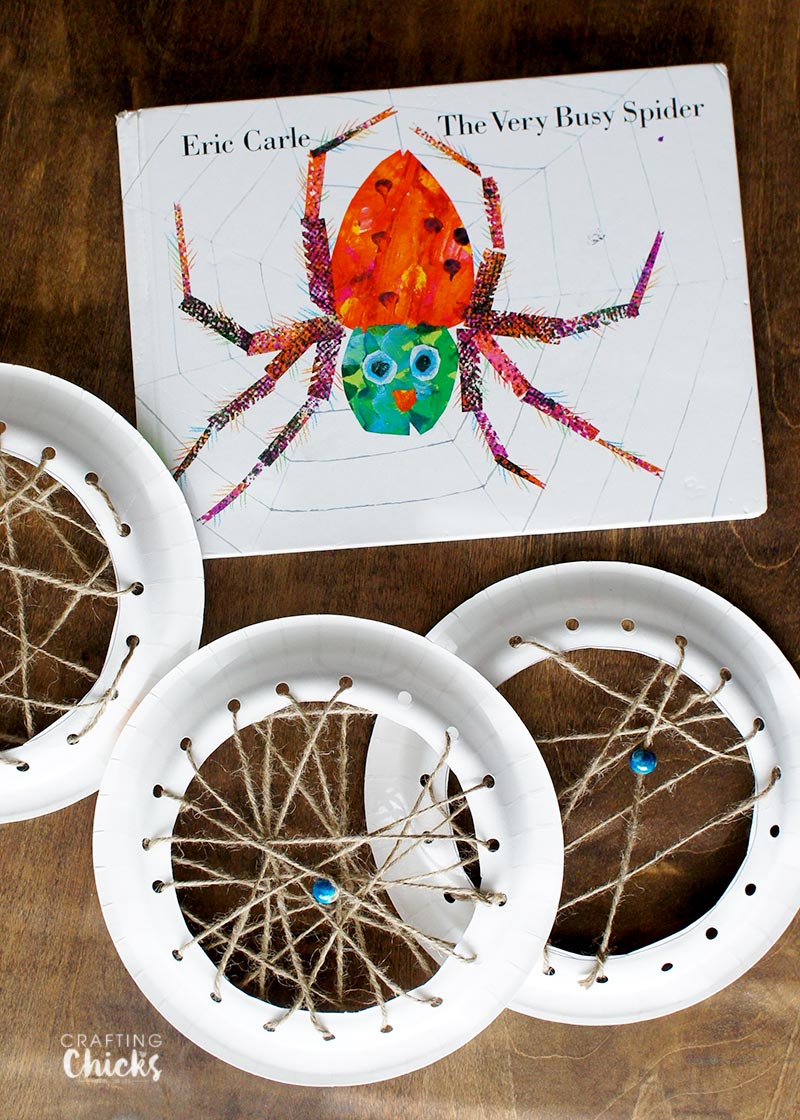
Show the kids how to thread the yarn back and forth through the holes to create their own spider web art. Encourage them to crisscross, overlap, and weave the yarn in different directions to form a unique spider web design.
As they work, remind them of how the spider in Eric Carle’s story patiently spun her web, one strand at a time. It’s such a great way to combine storytelling and creativity!
If the yarn gets tangled or too long, simply trim it and tie on a new piece. You can also use different colors of yarn for extra texture and fun.
Once the web looks complete, tie off the end of the yarn securely on the back of the plate with a knot or a dab of glue to hold it in place.
On the last lace, we added a bead to represent our little spider. Then tie off the twine and let your kids proudly display their spider web.
Each of my kids, from 4 years old up to 10 loved making these spider webs.
Step 3: Add Decorations
Want to get even more creative? Decorate your paper plate spider web with ribbons, beads, or even small feathers to make it look like a fall dream catcher!
This step encourages artistic exploration and lets kids of all ages personalize their creations. No two webs will look the same—just like in nature.
These spider webs are easily turned into dream catchers by adding ribbons and feathers hanging from the bottom.

Each of my kids, from 4 years old up to 10 loved making these spider webs.
These spider webs are easily turned into dream catchers by adding ribbons and feathers hanging from the bottom.
Learning Through Play
One of the best things about this spider web craft is how it combines fun and learning. It’s a fantastic opportunity to talk with kids about:
- How spider webs are used for catching insects
- Why spiders are important in nature
- How fine motor skills help us do everyday tasks like writing, tying shoes, and cutting with scissors
As children weave their spider web designs, they’re also strengthening their fine motor development—a key part of early learning.
You can even tie in a little science lesson by showing real spider webs outside or sharing photos of different types of webs. Then, ask your students or little ones to compare their own paper spider web to the ones found in nature.
Fun Variations for the Classroom
If you’re doing this craft in the classroom, here are a few ways to make it even more engaging:
- Group Reading: Begin by reading The Very Busy Spider aloud to the class. Then, move right into the spider web craft as an art extension.
- Color Challenge: Give each child a different yarn color and create a rainbow display of spider web art around the room.
- Math and Patterns: Have older kids create patterns with the yarn or count how many times they thread through each hole.
- Sensory Crafting: Swap yarn for twine, ribbons, or even pipe cleaners for added texture and sensory fun.
A Perfect Fall or Storytime Craft
This easy spider craft is ideal for:
- Fall or Halloween classroom activities
- Book crafts to go along with The Very Busy Spider
- Fine motor development lessons
- Preschool or kindergarten storytime
- Kids of all ages who love creative crafts
And let’s not forget—it’s just plain fun! Watching young children concentrate as they weave and thread their own paper spider web is such a rewarding sight.
Tips for Success
- Pre-punch holes for little hands if you’re working with toddlers or preschoolers.
- Use larger paper plates for younger kids—it gives them more space to weave.
- Keep a few extra pencils and scissors handy for tracing and cutting.
- Encourage older kids to design more complex spider webs or use different colors of yarn for contrast.
Wrap-Up: Creative Learning with The Very Busy Spider
This paper plate spider web craft is one of our favorite ways to bring Eric Carle’s story to life. It’s simple, hands-on, and full of opportunities for creative expression and skill-building.
Whether you’re a teacher setting up an art station, a mom planning an afternoon craft, or just love finding easy spider crafts for kids, this project is sure to be a hit.
So grab your paper plates, yarn, and glue, and get ready to spin some spider web magic with your little hands today!

For more great kids craft ideas, check out these posts:

Days of Creation Crafts for Kids


I love the book too! In your opening description you mistakenly say the spider finally catches a spider. You may want to change it to let newbies know that it’s a pesky fly who gets caught, love your craft and I know my students will too! TY
Definitely will do this week craft with my kids. Thank you! Love the idea.